

When they were single, my mother and her sister used to visit an orphanage called Nazareth Lodge which was run by nuns. They would take “the orphans out to the pictures and get them an ice cream” at the weekend. It was an act of kindness which involved a fair bit of travelling and a regular commitment. It was also an opportunity for them to go to the pictures and eat ice cream.
A couple of events in the past week have got me reflecting on how some things are passed through families.
One was attending the funeral of a friend’s mother, someone whom I have known on and off through political activity for over thirty years. The family history encompassed the worst and the best of 20th century history. They left Lithuania due, in part, to the Tsarist pogroms against Jews and eventually ended up in South Africa. By the late 50s whites in South Africa had to make a choice about which side they were on, and unusually, some members of this family actively opposed apartheid. This took practical forms such as attending meetings, feeding defendants in the infamous Treason Trial of members of the African National Congress and other organisations, and in my friend’s mother’s case, smuggling documents under her school jumper to get them away from the Special Branch.
As a consequence of their activity some of the family migrated again and ended up in England in 1963. They weren’t broken by the experience and were involved in the anti-apartheid movement, removing fascist graffiti from near their home and many of them ended up in a range of feminist, socialist and campaign groups. It’s a remarkable example of how a family tradition of refusing to accept the existing order can be transmitted for over a century.
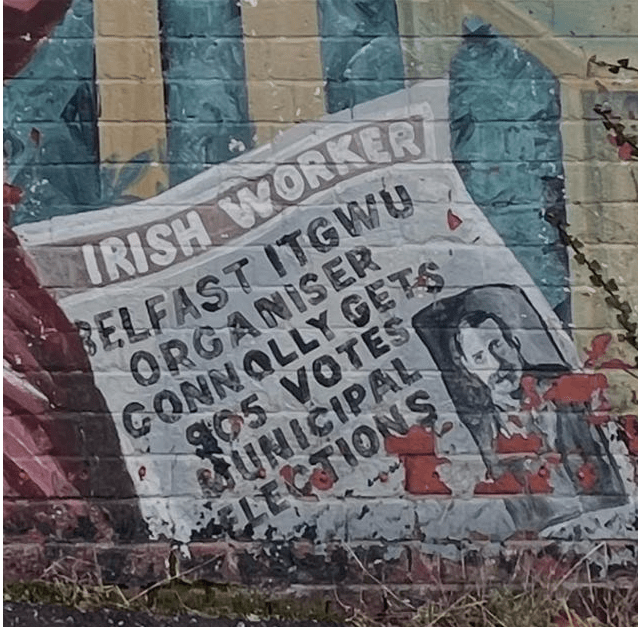
My version of that is a grandfather who was involved in a dockers’ strike and a father who brought the city’s buses out on strike when one of his workmates was murdered during a hijacking.
Coming right up to date and it’s possible to see the same things being transmitted. Some family members befriended an asylum seeker several years ago and, given what we know about the importance of networks and social capital, it’s not too much of a stretch to say that one of the reasons her son will be going to university, is that people have been there to help out with the challenges of living in a new country where you know you are not always 100% welcome.
My friend’s family are a more cerebral bunch than mine (for mine a night of high culture is singing along to the Wolfe Tones), I doubt that anyone ever sat them down and said, “this is what you must think and do”. Somehow you just pick up the unspoken ideas about the right and wrong ways to behave.
People come to these conclusions by different routes. My friend’s great grandfather was sympathetic to the Bolsheviks and the International Left Opposition, on my side it was a mix of syndicalism and the Legion of Mary. As a primary school child, my friend was accompanying her mother to scrub off swastika graffiti and I was bringing in sixpence to school each week for the “Black babies”, something I choose to interpret as an early internationalist gesture.
At a time when the major political parties run scared of alienating racist voters by calling things by their right names and dehumanise asylum seekers like the woman my family knows, it sharpens our appreciation of how the less structured traditions become even more valuable.
 Liam redux
Leave a comment