
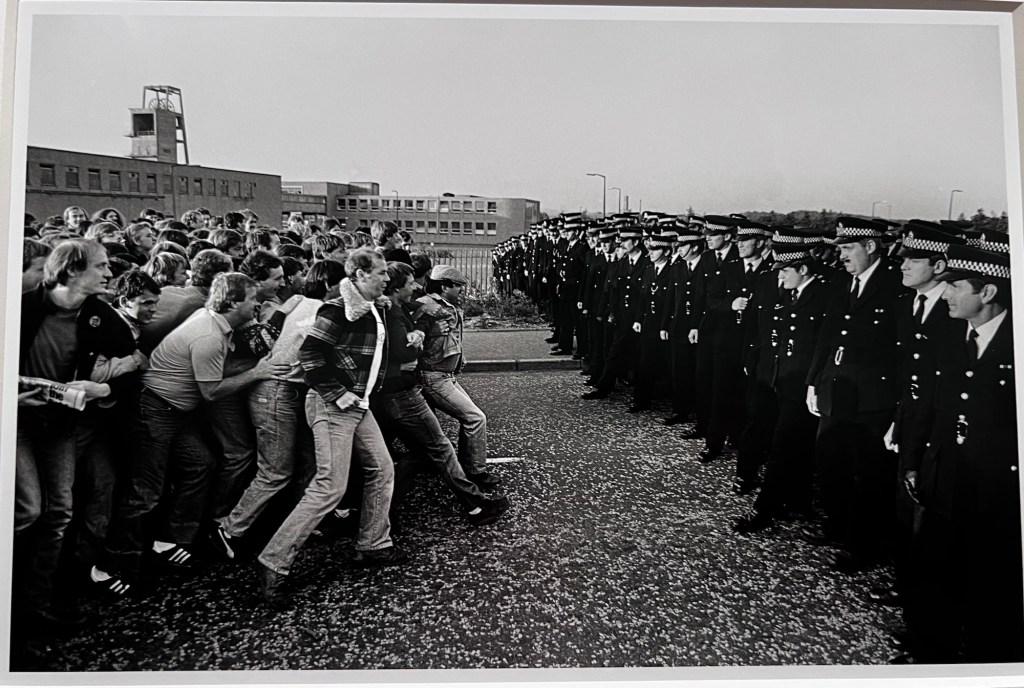
The defeat of the 1984-5 miners’ strike has shaped British politics for the last four decades. This wonderful touring exhibition which has just arrived in Four Corners, a five minute walk from Bethnal Green tube station, evokes the solidarity, the militancy and the brutality of that year of a class war which at times edged into a virtual civil war.
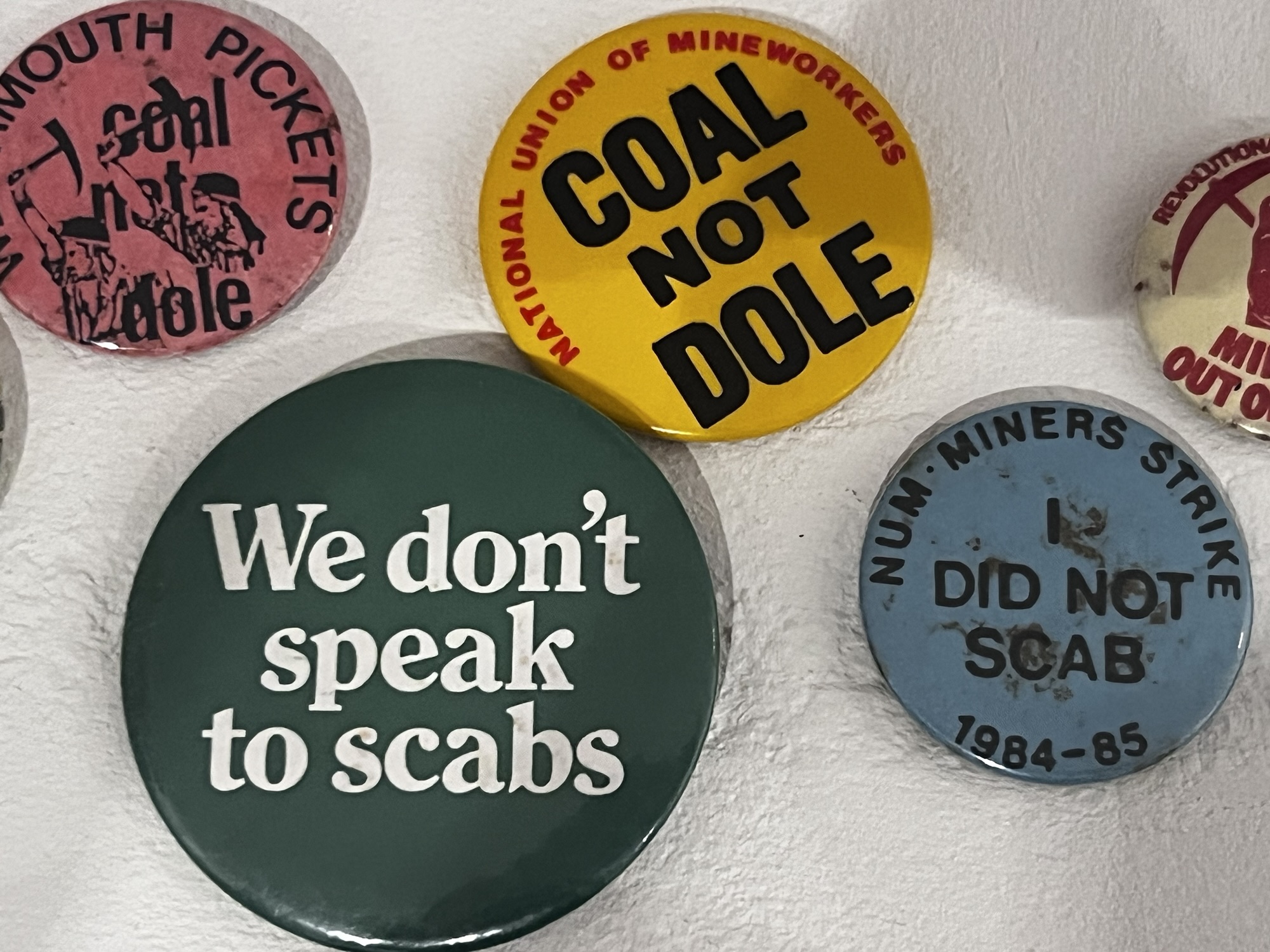
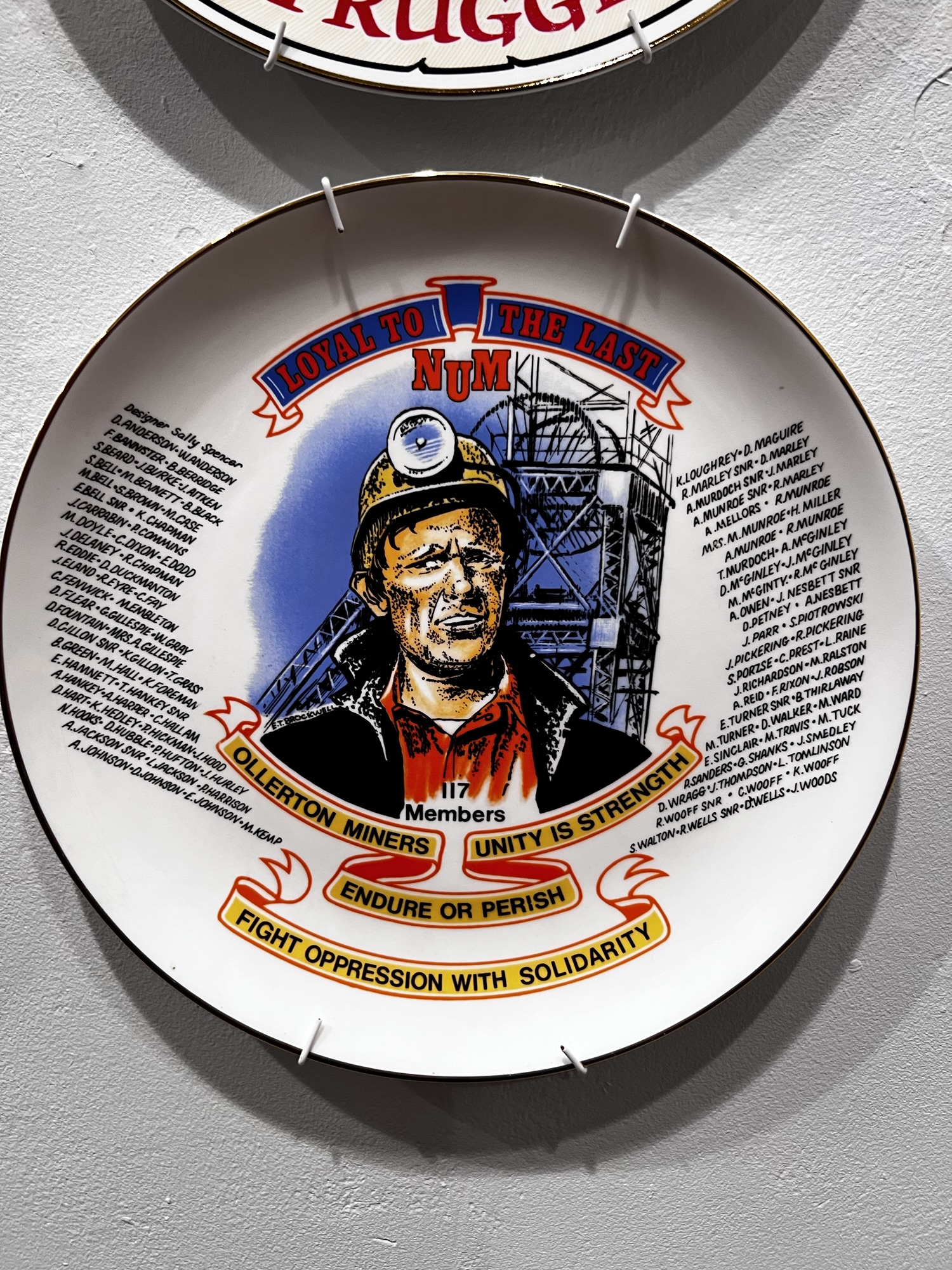
The exhibition is a collaboration between The Martin Parr Foundation and the Society for the Study of Labour History (SSLH) and is a mix of photographs and objects from the struggle – badges, posters, records. It is likely to be a moving experience for anyone who lived through that time and was desperate for the miners to defeat Thatcher and the British ruling class. It was obvious that it was a huge battle, but I doubt that anyone fully appreciated just how devastating the defeat would be for union organisation and the deindustrialised mining areas where Reform is now in the ascendancy.
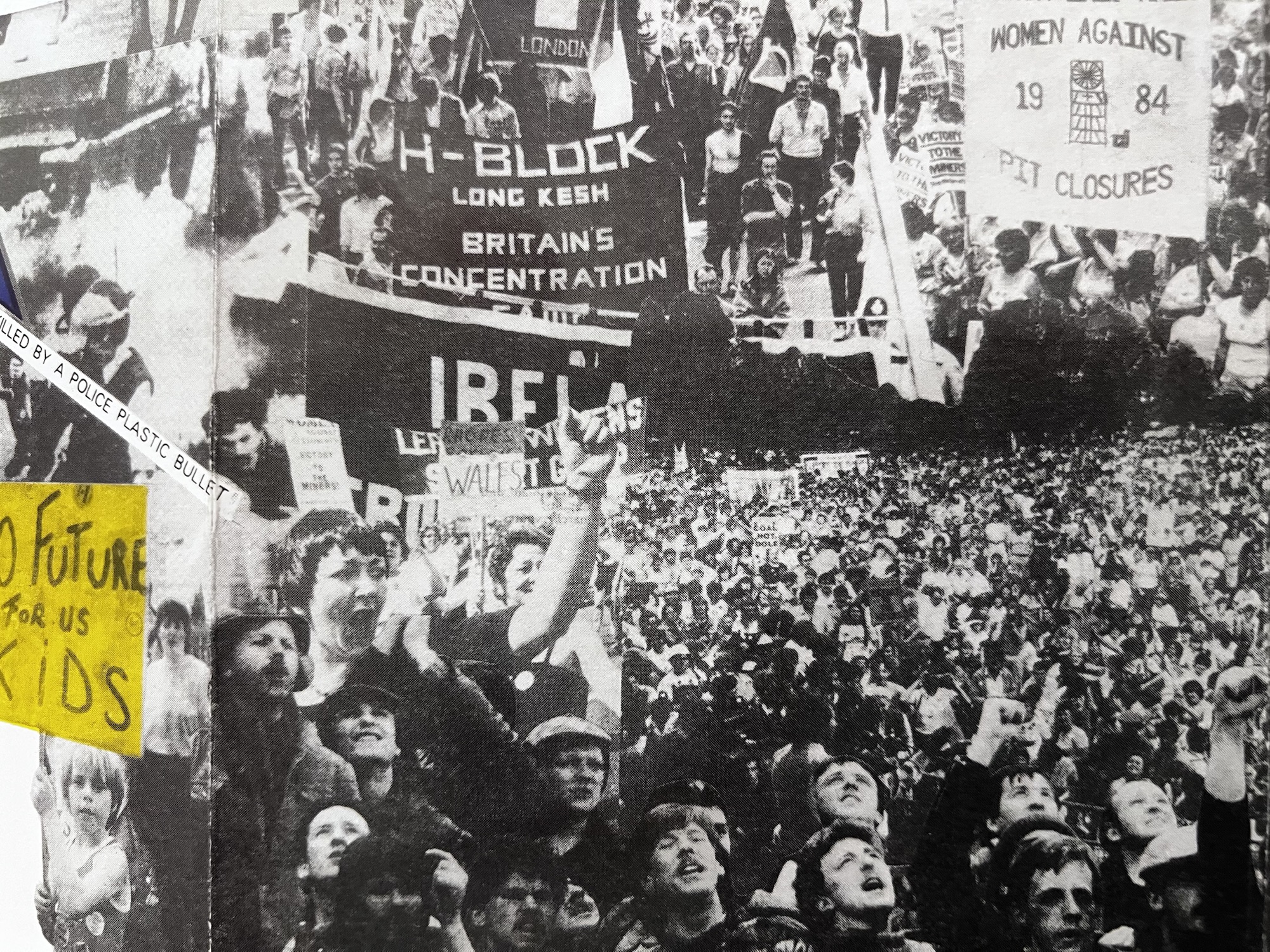
It is a commonplace that struggle changes people’s attitudes. In the 1980s homophobia was everywhere and largely seen as unproblematic in working class communities. That changed with the miners’ strike when socialist and gay activists set up Lesbians and Gays Support the Miners (LGSM). The film Pride is a decent account of that. The other big change was that miners were the first significant part of the British working to engage with what was happening in the north of Ireland at the time. They saw the link between what the British ruling class was doing to them and what it was doing in Belfast and Derry. I was at a demonstration in Belfast in August 1984 in which a delegation of striking miners participated and at which the police killed Sean Downes. The miners understood that British cops were capable of being just as murderous as the RUC
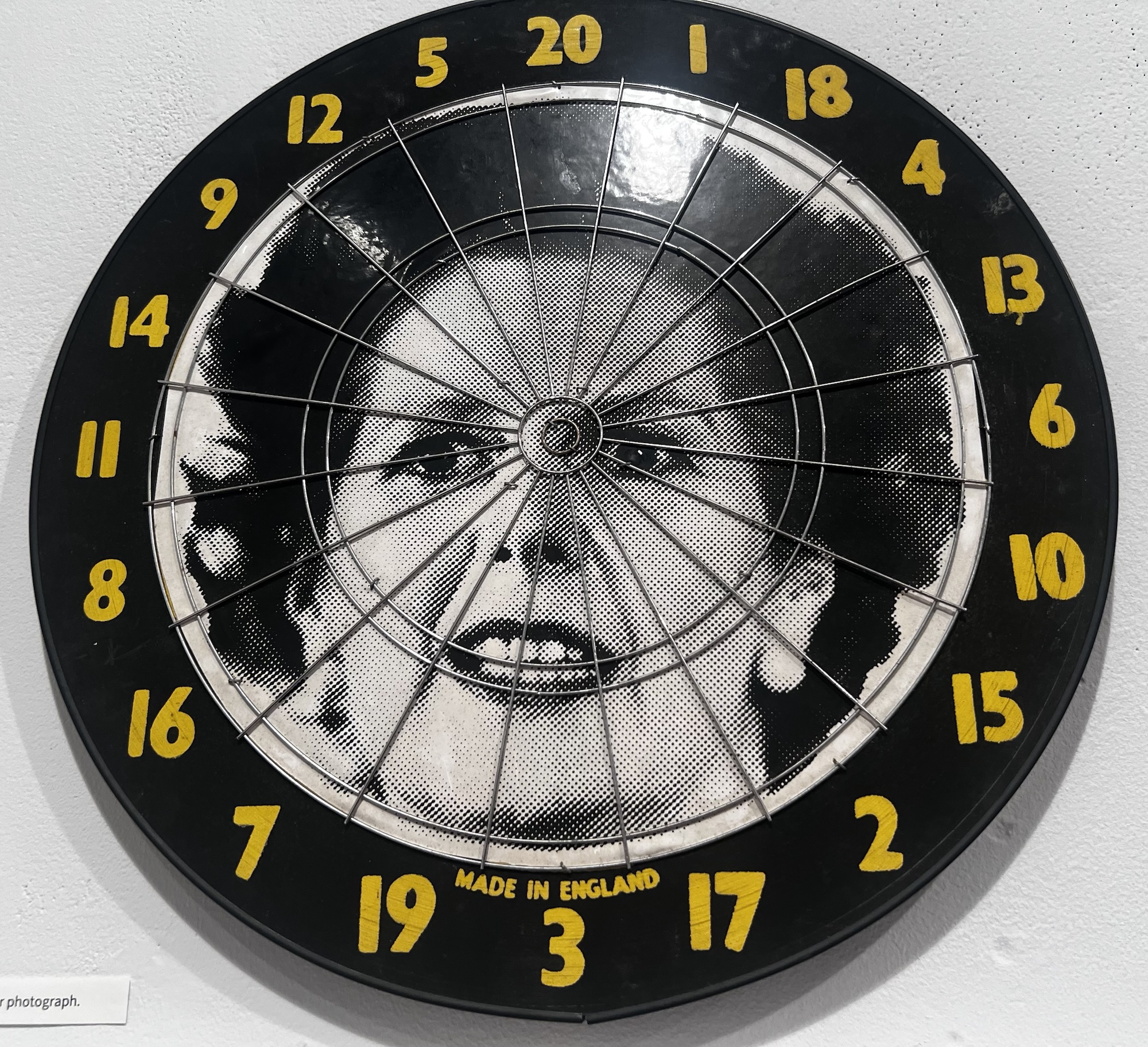
On the subject of another decent film, anyone who saw Kneecap and thought a Margaret Thatcher dartboard would be an adornment to their home can now get a poster of one. The organisers had tried to get real dartboards made for sale but apparently no British manufacturer was willing to oblige. It does say something about how despised Thatcher and her ideas are that long after her death she remains intensely hated even by people who would have been very young when she was in her pomp.
This is an outstanding exhibition which deserves to be seen by the widest possible audience. It chronicles what is probably the most inspiring struggle conducted by the British working class and makes you reflect on how different the world would be if the miners had won. It’s already been shown in Bristol and is only in London for a month. Get to see it if you can.

 Liam redux
Leave a comment