

Just as “socialism in one country” was based on a bureaucracy clustered around an unquestionable leader, so the experiment of moderately leftish social democracy in one borough also relies on one man calling all the shots. At least it does in Tower Hamlets. One councillor issued a public statement boasting “16 years of unwavering loyalty” and “I defended him at every turn, often at the expense of my own reputation”. If there is ever a remake of The Godfather Luca Brasi could say something similar about Don Corleone.
The public statement was one of those “more in sorrow than in anger” resignations, but still it’s important to keep some self-respect when you are splitting up with someone.
Aspire, the party which runs Tower Hamlets council is very much Lutfur Rahman’s creation. All its councillors are Bangladeshi men, and I’m told that your chances of getting elected were heavily dependent on whether you went to school with him.
To be fair, the administration did introduce free school meals for every child in the borough and a few months ago made access to all the swimming pools in Tower Hamlets free of charge to women and girls.
The party, if that is the right word, doesn’t have a website. Its Twitter feed might as well be a gif of tumbleweed rolling through the desert and there doesn’t seem to be any way you can join it. It could best be described as an ultra-local populist electoral machine. That said, it trounced Labour in the 2022 council elections, winning 24 out of 45 seats and would maybe do the same again if the elections were held tomorrow due to the deep revulsion at Labour’s unconditional support for the slaughter in Gaza and Lebanon.
What makes Aspire significant is that it was a straw in the wind indicating that no party can be assured of hegemony. It was a very localised leftish version of what Reform is on the far right and Labour hadn’t a clue about how to deal with its insurrectionary character. At least with Reform they can wrap themselves in union jacks and talk about being tough on migrants. The fact that the party managed to shed 28,146 votes and reduce its share from 72.7% to 34% in one of its Tower Hamlets seats at the general election shows that it still doesn’t.
Trying to work out what is happening in Aspire is a bit like how it must have been for anyone trying to understand what was happening in the Bulgarian politbureau in 1974. You have to accept that it is fundamentally unknowable. However, the party has had three resignations. Ohid Ahmed’s statement cited above talks of a degeneration into “self-serving politics” without clarifying anything.
Kabir Hussain, another councillor who has resigned from the party, says in his statement that he is motivated by the way the party majority has dealt with the housing of homeless families outside the borough. The third resignation is speaker of the council, a modestly high profile post, but I can find no statement on Saif Uddin Khaled’s motivation. Presumably it too is something to do with disenchantment with the leadership.
Trivial parts in a larger process
My experience of councillors is that they don’t tend to be an overly ideological group of people. They don’t seek election because they want to be some sort of popular tribune. Depending on the individual, it’s either a step to bigger things, a weird notion of status, and for some a genuine desire for public service. Nevertheless, if you scratch deep enough there is sometimes a political rationale for what they do.
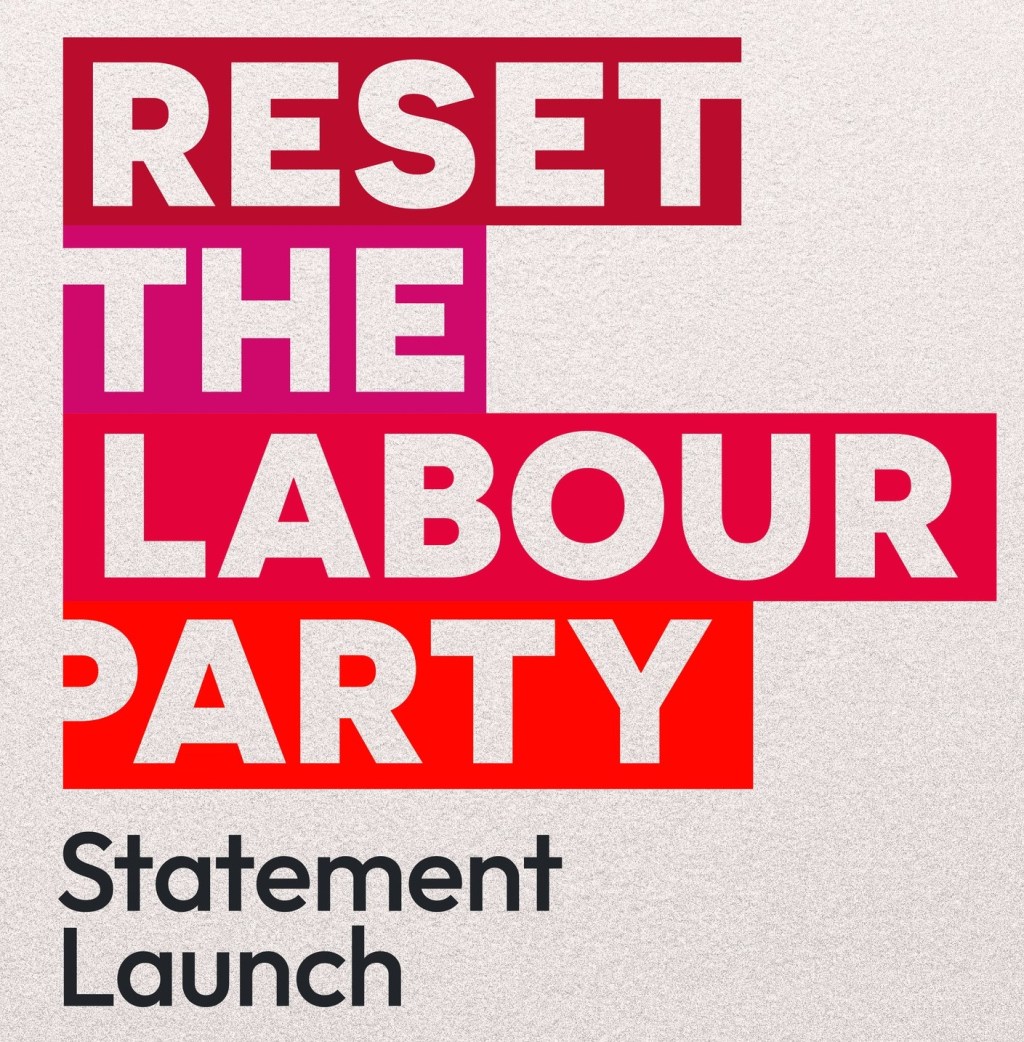
These Aspire resignations, plus one from Tower Hamlets Labour, trivial as they are, I think are part of the process in these three articles: Alan Story’s report on a large, youthful meeting in Bethnal Green last week in which much of the audience was keen on the idea of a new political vehicle; Michael Chessum’s welcome suggestion that it’s time forget about Corbynism and the idiocy of anti-Green sectarianism and Mike Phipps’ analysis of Labour’s extreme electoral fragility.
As the recent election results from Germany and Austria show, the local versions of Labour seem incapable of arresting the growth of the far right and the wider European experience is that no party lasts forever. The conditions are ripe for something on its left to emerge and the only people who don’t seem to recognise the fact are those who have been elected as councillors and MPs.

 Liam redux
Leave a comment