
 Ostracism has been part of the repertoire of the playground bully since the first Australopithecine youngsters were obliged to study basic flint knapping. At least kids have the excuse of not knowing any better.
The Namibian newspaper reported that Erasmus ‘Kaptein’ Hendjala was told of his expulsion from SWAPO by a letter accusing him of gross misconduct and violating the party’s constitution. His alleged offences include calling the President a “drunkard” and giving a lift to members of another organisation. The terms of the expulsion state that he “should no longer carry put any activities in the name of Swapo, speak to or address Swapo party members”. This could make his domestic life a bit complicated since his wife remains a party member.
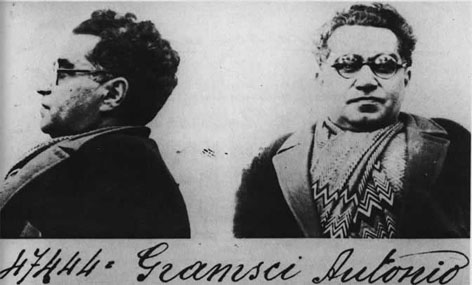
According to Giuseppe Fiori’s book Antonio Gramsci: Life of a Revolutionary something similar nearly happened to Gramsci in prison. Fiori, who had good access to Gramsci’s surviving family says that Gramsci strongly disagreed with the Italian Communist Party’s Stalin dictated characterisation of social democratic parties as “social-fascist”. His views were known to other PCI members in prison with him and Fiori claims that some of them proposed ostracising the ailing Gramsci but that their proposal was not accepted, partly because his brother deliberately misled PCI leader Palmiro Togliatti.
Compounding imprisonment with internal isolation for dissenters was something of a habit for European CP members in the 1930s and 40s. A couple of years ago I summarised an account of the jailing and subsequent murder of French Trotskyists. In at least one case a comrade got the silent treatment, was prevented from using the toilets, had his food tray knocked over and his letters destroyed his letters.
Mercifully one of these cases happened far away and the other two were long ago. Is it possible to draw any conclusions from them?
Well the obvious point is that if you want to hold a group of people together one thing you can do is to make a nasty example of individuals who express transgressive views. This has the added advantage of allowing you to spend a lot of time explaining how awful the person is without saying anything about their opinions.
Based on the little I learned about SWAPO the organisation is severely bureaucratised. The boundary between the state and the party is not always clear and complaints about this are a staple of the local press. Prominent figures in the organisation regularly make speeches and statements asserting the party’s right to be hegemonic and a lot of them have carved out very comfortable niches for themselves. No one could claim that anyone active in a European Communist Party in the 1930s was interested in an easy life. However the intolerance of dissent which went beyond very narrow limits became embedded during the Stalin era and it still affects politics today.






 Liam redux
Leave a reply to Jim Monaghan Cancel reply