
The only phenomenon in the known universe that occasionally makes me think that there might be a god is watching Neil Young lose control when he plays. I’ve toyed with the idea of setting up a religion in his honour but one hopeless cause in a lifetime is enough. Last weekend the BBC showed two documentaries about the man. Déjà Vu dealt with his 2006 tour of the United States. He got back together with Crosby, Stills and Nash and went on the road as part of his anti-war crusade performing songs from his Living With War album. The website is still updated each day with anti-war news and he has an anti-war song chart too.
Songs like Let’s impeach the president were pretty well received in New York and Boston. Footage from Atlanta was very funny. Lots of swearing and one man who’d paid good money for his ticket left muttering about “f***king co** suc***s”. The pro crowd at the show were not the brightest that America has to offer and seemed unaware that Young and the others were active opponents of the war.
The jarring thing about the whole documentary was the unadulterated reverence for anyone who had served in any branch of the US armed forces. One man who had been in Fallujah talked about how he was worried that he might not return to see his son and how awful it was to see his friends die. Fair enough. The bit where he mentioned how many civilians his unit had killed must have been left on the cutting room floor. Young’s strategy was to validate the project through showing that it was supported by former US forces personnel and so he had a Democrat candidate who’d been in the army, a young who’d been in the Marines and a helicopter pilot who’d lost both her legs but was standing for election. The intense popular respect for the armed forces in the United States is something that is odd to European sensibilities. The Irish army was always considered a beer bellied joke until it acquitted itself credibly against the Israelis in Lebanon. The Italian army well… The Wehrmacht remains a bit of an embarrassment with its continued penchant for neo-Nazi hazing rites. In the United States the armed forces are more than a job option for the gullible, the violent and the racist. It is also a route to a good education, professional qualifications and a career after discharge. Good PR helps too. All the guff about warrior codes and honour must make you feel good about yourself.
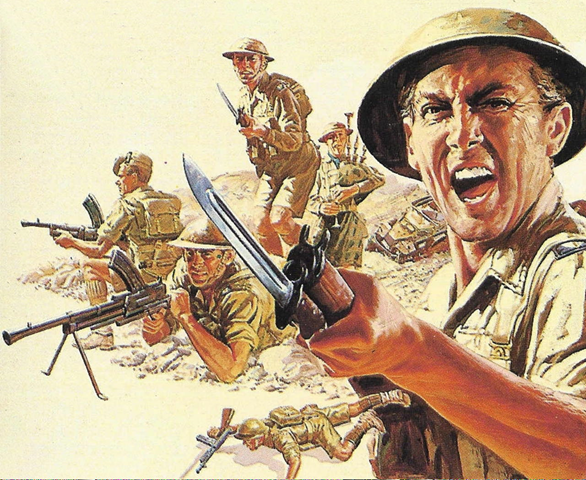
New Labour is trying to wipe some of the blood off the British army’s public face. Last weekend it paraded through central Belfast to remind everyone that it belongs to them. Smaller towns in England have had similar parades and every once in a while Brown threatens to persuade football clubs to offer cheap tickets to military personnel. Is this a good thing? Obviously not. For a start the armed forces of the British State mainly exist to project British imperial power in countries where it is generally not welcome and this usually involves large scale torture with added random murder, usually through British sponsored groups.
In contrast to the United States the numbers of former British personnel returning from Iraq and Afghanistan who take public positions against the wars is negligible. Maybe that’s because none of the major parties would give them a platform. Maybe it is because while a lot of them object to getting shot at they don’t have quite such strong views on calling down air strikes or shooting other people who live far away. British popular culture is the most militarised in Europe. Stroll round any bookshop and it’s bound to be laden with paperback war memoirs of the “we had a job to do” variety with much incidental slaughter of some hapless conscripts unfortunate enough to get in their way. Even football chants at international matches hark back to former military glories.
The political space for criticising the US armed forces seems, at this distance, to be non-existent. In Britain it is starting to narrow quickly. One can legitimately sympathise with marginal, vulnerable young men and women who opt for what looks like a glamour filled career and end up suffering untold physical and mental damage. Sympathy for what individuals have gone through does not relieve us of the responsibility of offering a critique of the organisations that put them though it.






 Liam redux
Leave a reply to Liam Cancel reply