
This article by Nick Wrack is for the next issue of the Respect Paper. The question is probably rhetorical.
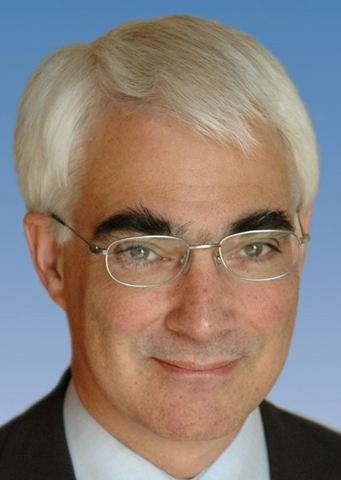 Chancellor Alistair Darling’s Pre-Budget Report has been dubbed the ‘spend now, pay later’ budget. There’s nothing intrinsically wrong with that. We need a massive programme of government spending to create jobs and to protect those who will be hit hardest by the recession. The big question is: Who pays later?
The steps taken by Darling are woefully inadequate. They will neither stimulate the economy nor will they help those in need.
Worst of all, Darling expects ordinary people, working-class and middle-class families to pay. Big business remains untouched by the budget. The richest 1% of earners will see tax on earnings over £150,000 rise to 45%, but not until 2011. Tax rates for those earning over £100,000, the top 2%, remain unchanged.
There are tiny increases in child benefit and for pensioners but these will do next to nothing to help the 3.9 million children in poverty or the 5.5 million families who can’t afford to heat their homes properly. The VAT cut of 2.5% will not help those on benefits or low pay who have little or no money to spend in the first place.
There is to be no new spending on capital projects but £3 billion worth of spending will be brought forward.
The worldwide financial crisis is continuing, despite the massive sums paid in government bailouts. And the recession is having a daily effect in the UK on jobs. At the end of November the US treasury conjured up a further $200 billion to bail out the world’s biggest bank Citigroup and a further $600 billion to help the US financial system. In the UK, job losses are announced on a daily basis, with unemployment set to reach 3 million by 2010. 10,000 job losses at BT have been followed by the collapse of Woolworths and MFI with the loss of up to 30,000 jobs. Thousands of families, already struggling on low pay, face an anxious Christmas and a New Year on benefits.
Gordon Brown says that this is a global problem. He’s right. But it’s one that he is jointly responsible for. He has advocated deregulation of the financial system with low taxes for big business and the super rich. He has praised the bankers for their ‘contribution’ and defended the massive salaries, pensions and bonuses for this tiny band of leeches.
Big business and the wealthy have benefited massively from the policies of New Labour. Now they should be the ones to pay for the crisis. Workers and those on benefits can’t afford to.
Since 1997, when New Labour came into government, the top 10% have received nearly a third of all earnings and have 54% of all personal wealth. Government statistics show that the bottom 80% have hardly shared in any of the economic growth. The main beneficiaries have been the top 5%, especially the top 1%.
Big business has made super profits. In 2007 the top six fuel companies made £4.3 billion, oil company Shell made £13.9 billion and BP made £9.3 billion. Last year the banks and financial institutions made so much in profit that they were able to pay out over £14 billion in bonuses, up from the £10.9 billion shelled out in 2006. This year they’ve been bailed out to the tune of £500 billion.
Yet Darling and Brown have left these mountains of profit untouched. They could have imposed a wealth tax, taking a chunk of these massive amounts to help the economy, especially the low paid and those on benefits, those facing redundancy and repossession.
Some people are seeing a change of heart in Brown and Darling. But, it’s the same basic approach – defend the super rich and big business at the expense of the rest.
A far more radical approach is needed to tackle the impact of the financial crisis and the recession. At the centre of this new approach must be the rule that ordinary people must not be made to pay for the crisis made in the boardrooms of the banks and corporations.
Firstly, the banks should be nationalised. If the banks won’t lend to one another, or to small businesses, then those decisions should be taken out of their hands. If the banks won’t pass on cuts in interest rates to mortgage borrowers or stop the payment of bonuses and inflated salaries and pension packages, why should they be able to take public money and carry on as if nothing has happened? Only democratic public ownership of the banks and financial institutions can guarantee that investment is directed where it is most needed, that interest rates are kept low and that the bonus culture is ended. Everyone knows that the banks rip us off. Put an end to it.
Secondly, we need a massive programme of public work to create jobs and to carry out desperately needed building and renovation. We need to build three million new affordable homes. Yet no new council homes are built. An emergency government plan to build these new homes would create jobs for bricklayers, carpenters, electricians, plumbers and labourers. Apprenticeships should be set up to give proper training for young people.
In other areas, such as repairing the sewage system, waterworks, public buildings, roads and bridges, developing the rail and tram networks, there is a massive amount to be done. All this would create jobs. But it needs directing by government.
Investment should also go into creating new, greener technology and sources of power. Older houses need to be insulated. Again, more jobs to create the sort of economy we need.
There must be an end to the Private Finance Initiative whereby huge sums of public money are paid to the private sector for building public buildings like schools and hospitals, storing up over £200 billion in debt so far. Why should the public pay for this work to be carried out by the profit-making private sector? Let the benefits come back to the public who pay for it, with direct employment by central and local government.
Thirdly, there must be investment into our public services to make them better. Constant cuts in jobs, training and conditions at work undermine the services provided. We need to see an end to privatisation. All the utilities and service industries sold off over the last thirty years – gas, water, electricity, the railways – should be brought into democratic public ownership.
Where is the money going to come from to pay for all this?
We need a fair tax system. In the UK under New Labour, the richest 20% pay just 35% of their income in tax while the poorest 20% pay nearly 40%. Corporation tax on big business profits is now only 28%. When the Tories came into power in 1979 it was 52%. It’s now one of the lowest rates in the industrialised world. The revenue from corporation tax this year is estimated to be £45 billion. Other things being equal, at the old rate it could have been as high as £83 billion – a loss of £38 billion, into the pockets of the company directors and shareholders at the expense of pensions, wages, health and education.
Th
ere should be a complete restructuring of the tax system so that those with low incomes pay no tax and those with huge incomes pay the most. Big business must be taxed at a much higher rate, so that society can benefit from the profits they make.
We need a far more progressive income tax system, so that the rate you pay goes up the more you earn. If those at the top paid more, those at the bottom and in the middle could pay much less. Income tax could be abolished for all those earning £15,000 or less at a cost of only £8 billion in tax revenue. This could be more than made up by increasing the rates for those with large incomes. The increase in the top rate to 45% for incomes over £150,000 affects very few and should be a lot higher.
VAT, which is a tax that hits the poorest hardest, should be abolished altogether. Why should those on lower wages or benefits have to pay a greater proportion of their income on goods and services than the rich?
A clampdown on tax dodges and loopholes could raise over £25 billion every year according to the TUC, made up of £13 billion from tax avoidance by rich individuals and £12 billion from the 700 largest corporations. A further £8 billion is lost to public funds by tax planning by those earning over £100,000 a year.
It’s the same old story, those with the most get to keep more of it and those with the least have to pay more of it.
We also need democratic control over the decisions on public spending. Do people really want to spend £75 billion on a new generation of nuclear weapons? Do we really need an ID card costing £5 billion? Are the wars in Iraq and Afghanistan really worth the loss of life – paid for with £13 billion of public money so far and costing £3.7 billion this year and rising?
Just think of the things this money could be spent on to improve the lives of everyone, especially the young, the old and the sick. What a future we could build with money spent on the right things.
There needs to be a more fundamental discussion about the sort of economy we want – a national debate. Clearly, the deregulated form of capitalism that has been practised over the last twenty five to thirty years has failed. Everything we were told about the benefits of a low tax, privatised economy has been shown to be wrong. There was no trickle-down. The gap between the rich and the poor widened. Services worsened. The private sector hasn’t provided the things society needs, like homes, jobs at decent rates of pay, or adequate pensions. On a global scale capitalism has been a nightmare without end for the billions living in poverty, without access to clean water, medicine or shelter.
Unregulated or regulated, capitalism cannot be made to work in the interests of ordinary people.
We need a completely new form of society, based on public ownership, democracy and the needs of the people, not the profits of a few. That’s why the S in Respect stands for Socialism.
Nick Wrack
Respect National Secretary

 Liam redux
Leave a comment