
 The Song of Bernadette is a hard hitting grittily realistic film about the life of the saint Catholics choose to believe saw the Virgin Mary at Lourdes. For a long time fans of the Cuban Revolution have been waiting for a bit of mainstream cinema to give them the same warm glow. Steven Soderbergh’s new film Che: Part One is the revolutionary socialist equivalent of the 1943 biopic except that instead of choirs of angels and intense spirituality you get guerrilla warfare and Guevara denouncing Yankee imperialism at the United Nations.
The cerebral quality of the film annoyed the Daily Mail which commented “there is nothing revolutionary in this radically dull film about Che”. Anything which annoys that semi fascist rag is automatically a good thing but this is an outstanding introduction to the history and politics of the Cuban Revolution. Soderbergh opts for a non linear narrative with the film opening and closing in an apartment in Mexico City. Fidel Castro superbly and uncannily played by Damiàn Bechir arrives late for dinner and easily persuades Guevara to join his expedition to overthrow Batista despite the lack of a boat, money, fighters and weapons. This is when we begin to love the romantic voluntarism of the Cuban revolutionaries.
Benicio del Toro as Che Guevara gives a compelling central performance. There is no melodrama, no histrionics just a level-headed revolutionary intellect which deals with every challenge of fighting a guerrilla struggle than starts with tiny units which suffer huge casualties and culminates in the film in the seizure of the town of Santa Clara. The film is mercifully free of the pointless romantic subplot which is the ruination of many an evening at the cinema. Guevara’s personal life is dispatched in a sentence referring to a wife and child in Mexico and we are allowed to focus entirely on the revolutionary process.
A thread that runs through the narrative is Guevara’s deep revolutionary morality. His troops are instructed not to steal from or abuse prisoners. They are not allowed to take food or money from peasants and when three deserters who had been stealing and raping are caught their execution in the forest is dispassionately shown. Equally Guevara announces from the rostrum of the United Nations that the revolution is executing some of its enemies to defend itself.
Cramming the conflicting political strategies of the mass movements and strikes in the towns plus the nationalist guerrillaist conceptions of Movimiento 26 de Julio into the dialogue was never going to be easy but Soderbergh gives it a go and, within the framework of the films is pretty successful in delineating the issues. Ken Loach did a better job bringing the idea of permanent revolution into The Wind That Shakes The Barley but you’d expect that.
And permanent revolution makes an appearance at the end of Che when Guevara tries to get a promise from Castro that he will try to spread the revolution to the rest of Latin America. “You are crazy” he tells Guevara with a gleam in his eye.
If this film persuades even a fraction of its audience to delve into the history of the Cuban Revolution in the year of its 50th anniversary it was worth making. It feels like a work that was made by friends of the revolution and is a magnificent powerful piece of film making. Don’t miss it.
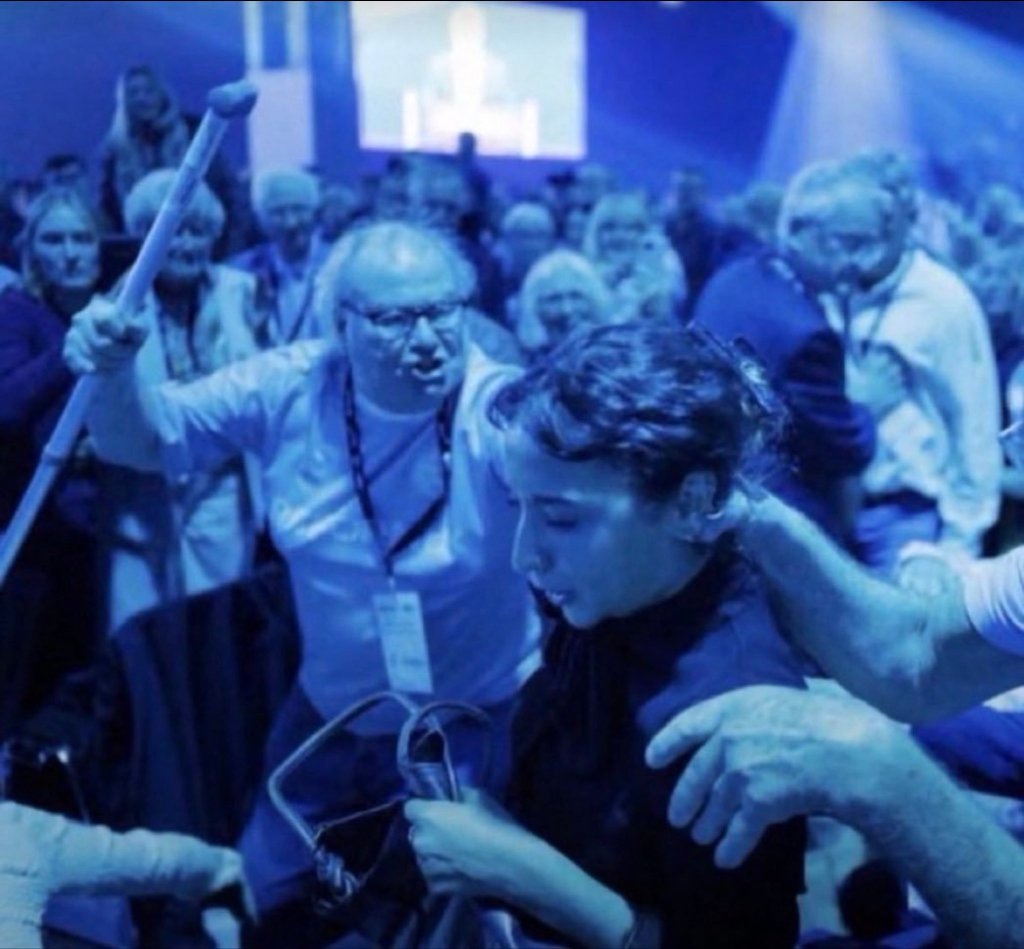
By the way the woman in the middle of the photo is Celia Hart’s Haydée Santamaría.






Leave a comment