This is a press release from Camden Unison

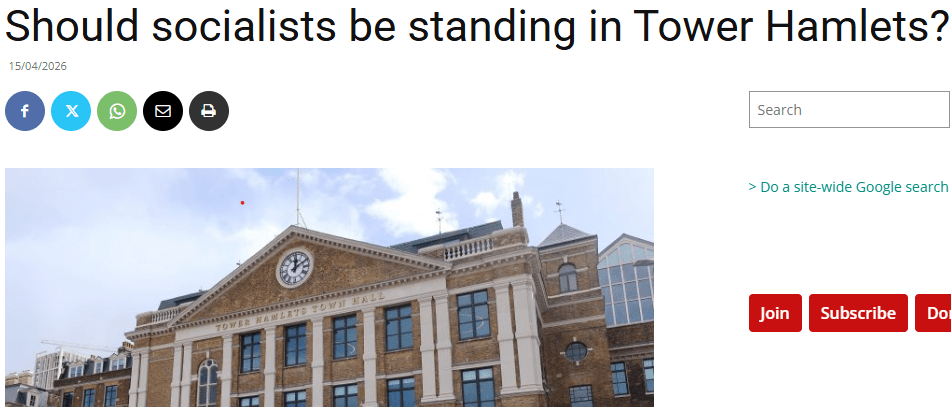
Budget cuts Camden demos 22 June 2010 - Camden Town Hall “While not surprised our members are still shocked as details emerge of the Con-Dem coalition’s Emergency Budget,” said Camden UNISON Branch Secretary George Binette. He added, “The Cabinet of millionaires seems determined to have a showdown with the public sector workforce and those who rely on the services we provide. The combination of VAT rising to 20% and pay cuts is toxic.”

Scores of UNISON members across the borough took part in lunch-time and early evening protests on 22 June at the Town Hall, Crowndale Centre and local schools in response to Chancellor George Osborne’s proposals to slash public spending.

The expenditure cuts are vast and wide-ranging, but taken together give the lie to the Government’s claim that we are somehow all in this together:

  • The vast majority of Camden employees will face a two-year pay freeze, which amounts to a substantial real pay cut. For the lowest paid increases of £250 a year come to just 1%-2% at a time when the Retail Price Index (the most accurate measure of inflation) is running at more than 5%;
  • Thousands of local authority and other public sector jobs in the borough are under threat with the prospect of generating any additional revenue through Council Tax now blocked for at least another year;
  • Spending on education may be chopped in real terms by as much as 25% over the next four years;
  • Caps on housing benefit levels will make Camden and much of inner London a ‘no-go’ area for many private sector tenants at a time when the prospects for social housing are bleak;
  • Changes in welfare benefits and tax credits will supposedly yield savings of £11 billion to the Treasury, five and a half times the revenue generated by an annual levy on the major banks and building societies – the very institutions rescued by the previous Government to the tune of more than £1 trillion, and
  • Corporation tax – already among the lowest in Europe – will fall from the current 28% by a percentage point each year for the next four years.

Budget cuts Camden demos 22 June 2010 - Argyle Primary SchoolGeorge Binette expressed the hope that the recently elected Labour council will be an ally in resisting the “Con-Dem age of austerity”, but concluded, “We will ultimately have to rely on our strength as a trade union, working alongside other public sector unions, tenants’ associations and other service user groups in developing a movement that is both able to wage a battle of ideas and mobilise on the streets and in the workplaces, not only in Camden but across Britain as a whole from 22 June onwards”.

2 responses to “Coalition Declares Class War”

  1. You can see a speech by George here
    http://www.youtube.com/user/camdenunison#p/a/u/1/PaGGddm7yoU

    such are the wonders of youtube

    Like

  2. Letter to all public sector workers from the Prime Minister and Deputy Prime Minister
    24 June 2010

    1O DOWNING STREET
    LONDON SW1A 2AA

    THE PRIME MINISTER AND DEPUTY PRIME MINISTER

    Dear Colleague

    First of all we want to thank you. Whether your job is nursing in a hospital, working in a government department, teaching our children or one of the other key roles in the public sector, you keep our country running. People who work in the public sector don’t get enough credit for what they do, so thank you.
    As well as our thanks, we want to give you more trust and more responsibility. For years you’ve been undermined by targets and rules set from on high. Bit by bit we’re going to end that culture. We’ll set you free to use your professionalism, commitment and good ideas to make life better for everyone.
    But let us be clear. The biggest challenge our country faces is dealing with our huge debts – and that means we have to reduce public spending. You will have heard in this week’s Budget that we have had to take difficult decisions on public sector salaries for the next two years, while taking steps to protect those on lower salaries. Like many private sector organisations, we have chosen to control salaries rather than see higher job losses. The more we can find savings, the more flexibility we will have to avoid job losses and wage cuts.
    We want you to help us find those savings, so we can cut public spending in a way that is fair and responsible. You work on the frontline of public services. You know where things are working well, where the waste is, and where we can re-think things so that we get better services for less money.
    So this is why we’re writing to you today. We’re asking you to go to this website – http://www.hm-treasury.gov.uk/spendingchallenge (web) – and tell us your ideas about getting more for less. Don’t hold back. Be innovative, be radical, challenge the way things are done. Every serious idea will be considered: by government departments, by the Treasury, by our teams in Number 10 and the Cabinet Office – and passed to Parliament’s Public Accounts Committee to make sure we don’t miss anything.
    So please, play your part. Let us know your ideas. We’re all in this together – and we’ll get through this together to better days ahead.

    Yours sincerely

    RT HON DAVID CAMERON MP RT HON NICK CLEGG MP

    Dear David and Nick

    One way to make huge savings in the public sector would be to halve the working week. That does not mean halving salaries however which obviously must remain the same. Where’s the saving in that you ask. With everybody working half their previous hours it wouldn’t take much organising to ensure that half those people worked the first half of the week (or day) whilst the other half worked the second half. This simple measure would mean that you could halve the number of desks, computers, buildings and so on. Huge savings to be had there. But, you say, wouldn’t we have to hire twice as many people to do the same amount of work. Not really because over the last few years with the introduction of computers and technology of all sorts public servants are far more than twice as productive as they used to be. Unfortunately instead of cutting the hours they work successive governments have greedily appropriated all the benefits of increased productivity for themselves by cutting jobs. Such short sightedness. No wonder we have 2.5 million on the dole mostly young people with absolutely nowhere to go claiming unemployment benefits and cluttering up our GP surgeries with the inevitable mental health issues that come with unemployment.

    Mind you, its not just the government that does things this way. I was in a supermarket the other day and nearly all the check outs were self service. I asked the two girls working the only two check outs that weren’t self service what hours they worked and guess what they were the same as before the self service check outs were introduced. The company had, as with the government, appropriated all the benefits of the increasing productivity of its workers to itself as with banks and ATM machines. Heck, I went to the cinema the other day and bought my tickets from a machine using my card.

    So, you see workers have already played more than their part in finding savings. Isn’t it about time business and government played theirs? Passing on the benefits of increased productivity to the workers in the form of a dramatically reduced working week would save billions in waste and that’s without even thinking about the social costs of unemployment and over work. Social costs that ironically the richer we get the less we can afford all because of a culture that would rather cuts jobs than cut hours.

    Yours faithfully

    A concerned citizen.

    Like

Leave a reply to Jason Cancel reply

Trending