
 We could call this piece “the nature of the united front in the current period” if we wanted to put people off but let’s not.
Unless you are spectacularly stupid it’s not hard to work out that the European ruling class is using a banking crisis they facilitated to attack working people. If you accept that premise it’s straightforward to work out what your response needs to be. So one would have thought.
One would be wrong.
It’s hard to find anyone who says she or he is actively in favour of large scale public spending cuts, evicting people from council houses after a couple of years or sacking staff. From Nick Clegg to Alan Johnson there is an admission that these are painful and difficult things.
So if they are so painful and difficult why is everyone so damned keen to do it? And, given the general willingness among the overwhelming majority of public office holders to follow orders they claim to disagree with, how should we relate to them?
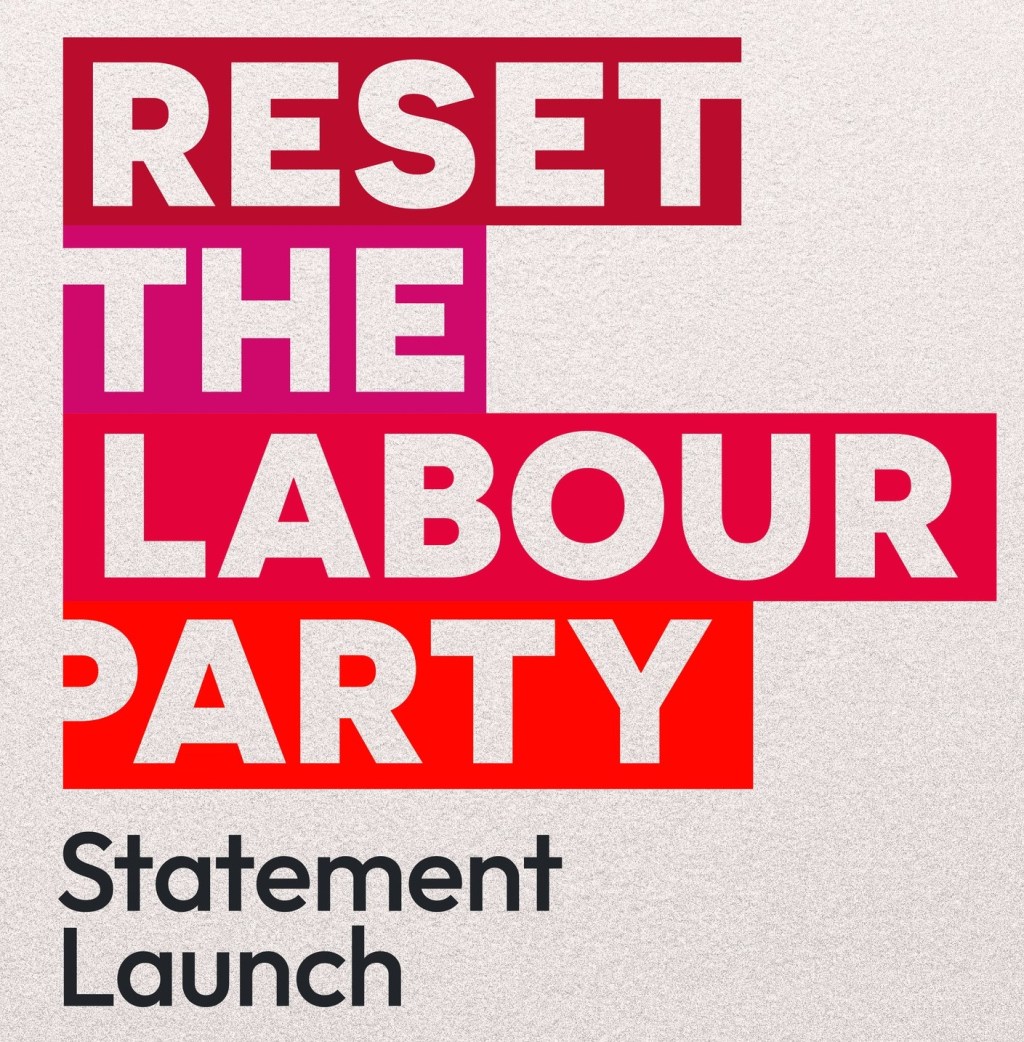
It’s no longer an abstract question. Newham council is proposing job losses, increasing the working week and reducing holiday entitlement. That’s a Labour council. Many other Labour councils are proposing large numbers of job cuts and it’s proving very hard to find councillors willing to go beyond a bit of hand wringing about the awfulness of it all before reluctantly agreeing to acquiesce and vote for job and service cuts. The trouble is that they are the people with the power to determine whether or not budgets are set.
If recent meetings I’ve been too are anything to go by there seem to be three different orientations on offer to councillors, in particular Labour councillors.
The first is that they are a fine body of people doing a thankless job and should be allowed to get on with it.
The second is that until the moment until they have cast their vote in favour of shutting the library or sacking people that we should hug them to our collective bosoms. This means inviting them to speak at meetings, getting their names on petitions and, depending on your point of view, drawing them into the anti-cuts movement or giving them a shred of anti-cuts credibility. Thus when the dreadful evening comes when they give their support for cuts they are able to say “I’ve been against this all along but I’m going to do it anyway.” This is expressed pretty well by Darrell Goodliffe who writes of Labour “its attitude to the anti-cuts movement is currently at best described as ambivalent but frequently hostile in a passive-aggressive sense and sometimes lecturing.” He also argues more in hope than expectation “Labour should be leading the anti-cuts campaign”.
The third option is to say that if you are against cuts in jobs, services and public spending then you don’t get involved in the no-win game of trying to implement them slightly more humanely than someone else. If someone punches you in the face it really does not matter if someone else made them do it. Your face remains punched. The same principle applies to sacking people.
I’ve not yet heard a convincing explanation of the process by which a councillor with no history of breaking a party whip is transformed into a class struggle rebel willing to refuse to vote for a cuts budget. At the very minimum the basis for joint work with any party or elected official has to be complete opposition to any cuts over which they have some control. Anything else is just allowing them to feel slightly less guilty before they do the dirty.



 Liam redux
Leave a reply to huw williams Cancel reply