
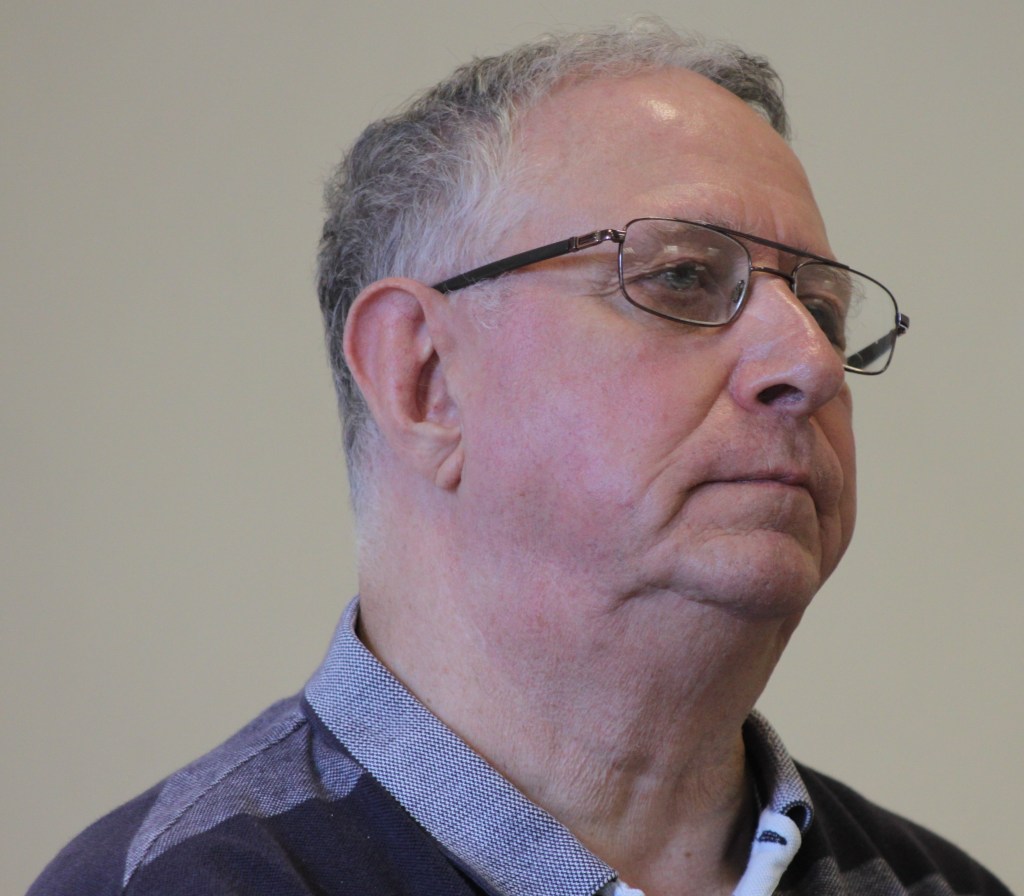
Alan Thornett died on October 9th at the age of 89. He was a remarkable man of the highest principles and a lifelong commitment to revolutionary socialist politics, a cause which cost him personally and financially, hardships he accepted without complaint.
Over decades I probably spent hundreds, maybe thousands, of hours in rooms with Alan at political committees, executive committees, conferences and an unknowable number of meetings. We were never personally close but collaborated politically and would frequently discuss things on the phone, though it has been some years since I’ve been in touch with him.
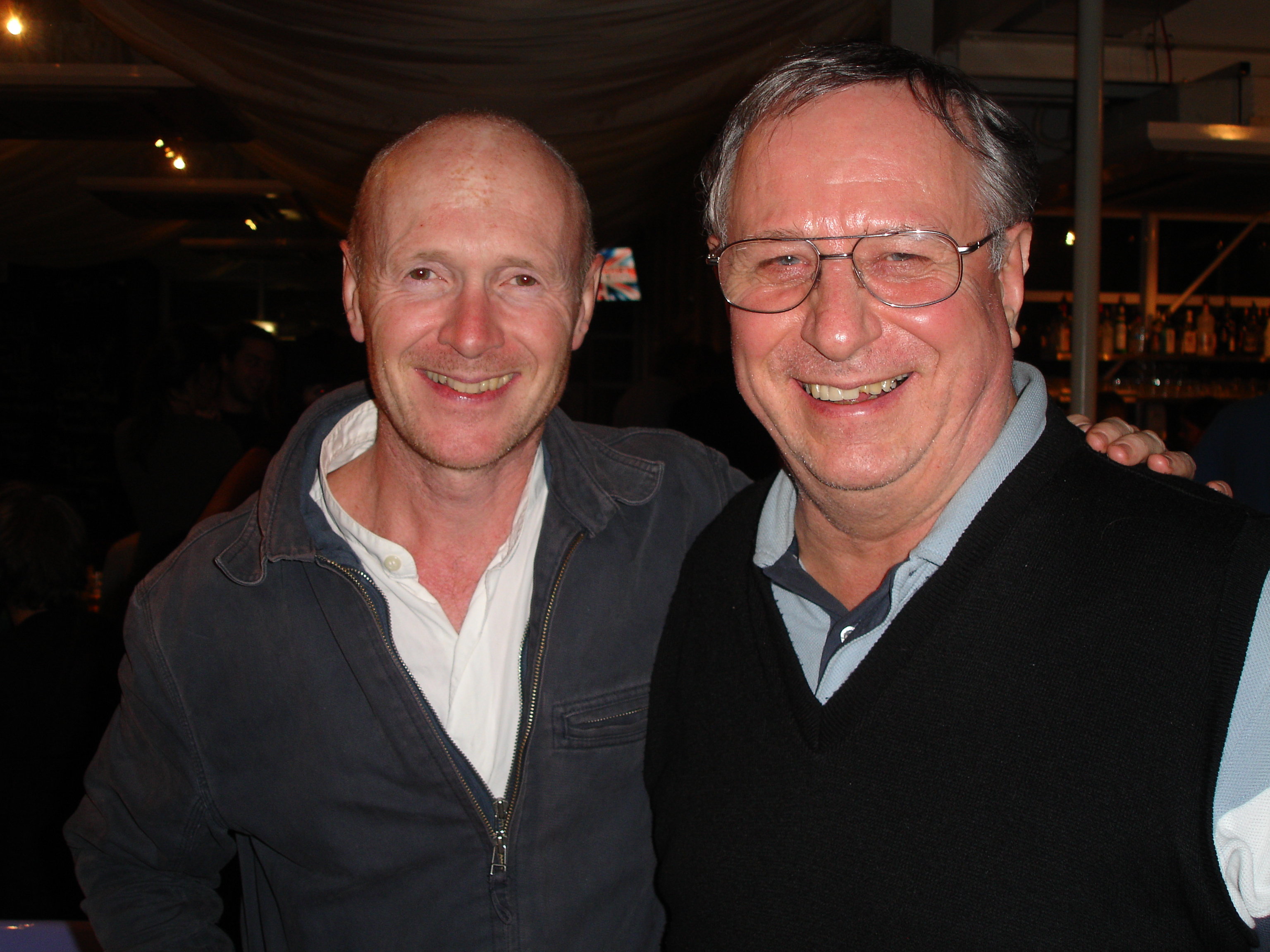
Perhaps uniquely among British Trotskyists, Alan had been trained to blow up bridges using high explosives. He spent his national service in a unit which was tasked with halting the advance of the Red Army into Germany. It was not a skill for which he subsequently had much use in civilian life or as a revolutionary activist.
Another thing that made Alan a rarity among British Trotskyists was that he was born in a rural community and worked as a farm labourer after leaving school. In his book Facing the Apocalypse – Arguments for Ecosocialism he describes the contrast between the pervasive sound of birdsong when he was growing up to the near silence in much of the English countryside as wildlife has been killed off by modern agricultural practices.
After being discharged from the army Alan got a job in the Cowley car plant in Oxford in 1959. There he joined the Communist Party which he left after becoming a shop steward to become a member of the Socialist Labour League, a Trotskyist organisation led by Gerry Healey. This became the Workers Revolutionary Party (WRP) which fell apart when Healey was revealed to be a rapist and a violent thug.
Alan’s books From Militancy to Marxism and Militant Years cover the period of now almost unimaginable working-class struggle in the car industry and Alan’s role in it. It is fair to say that he was an exemplar of what a working-class leader should be. Militant Years is dedicated to Bob Fryer, who must also have been a remarkable comrade. Alan told a story of how on several occasions union members wanted to go on strike because they didn’t want to work with Pakistanis “who had a funny smell”. (Pakistanis wasn’t the word that was used of course.) Bob Fryer, who was plant convenor at the time, said “alright, go on strike. We’ll work with management to fill your jobs.” That’s the way to do it!
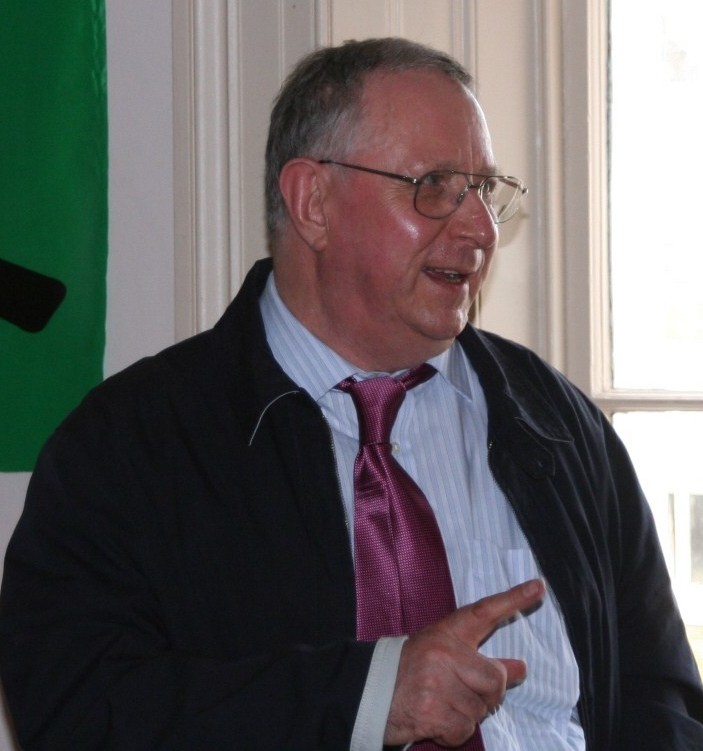
If you search for Alan’s name on this site, you will see that it occurs more than one hundred times. Alan really showed his leadership skills, tactical flexibility, strategic thinking and moral strength during the Respect experience. Socialist Resistance estimated that it had the potential to be the beginning of a new left party and worked with many others who shared that view. There were high points and low points as we conducted a political struggle against Galloway and his Praetorian Guard in the SWP leadership. One comrade who had experience of both said that the 2005 Respect conference was as bad as anything he endured in Healey’s WRP. Still, we persevered.
Alan was not someone who lived off past glories. He was the leading member of Socialist Resistance and a member of the Fourth International’s leadership for many years. He was among the first British Marxists to take seriously the effect of capitalism on the climate and began writing extensively on ecosocialism, integrating the most recent scientific research. Not everyone agrees with all his conclusions, but he was a comrade who knew when to compromise or decide to stand his ground.
Like all of us, Alan might occasionally become slightly irascible in meetings, perhaps a consequence of his health issues and seeing the same faces week after week. However, he unfailingly raised the political level of any discussion to which he contributed, and his leadership was provided not by soaring rhetoric, a loud voice or demagoguery, in fact he sometimes struck me as quite a shy man. He led by the clarity and depth of his thinking and his complete dedication to the ideas of a revolutionary ecosocialism.



Leave a Reply