
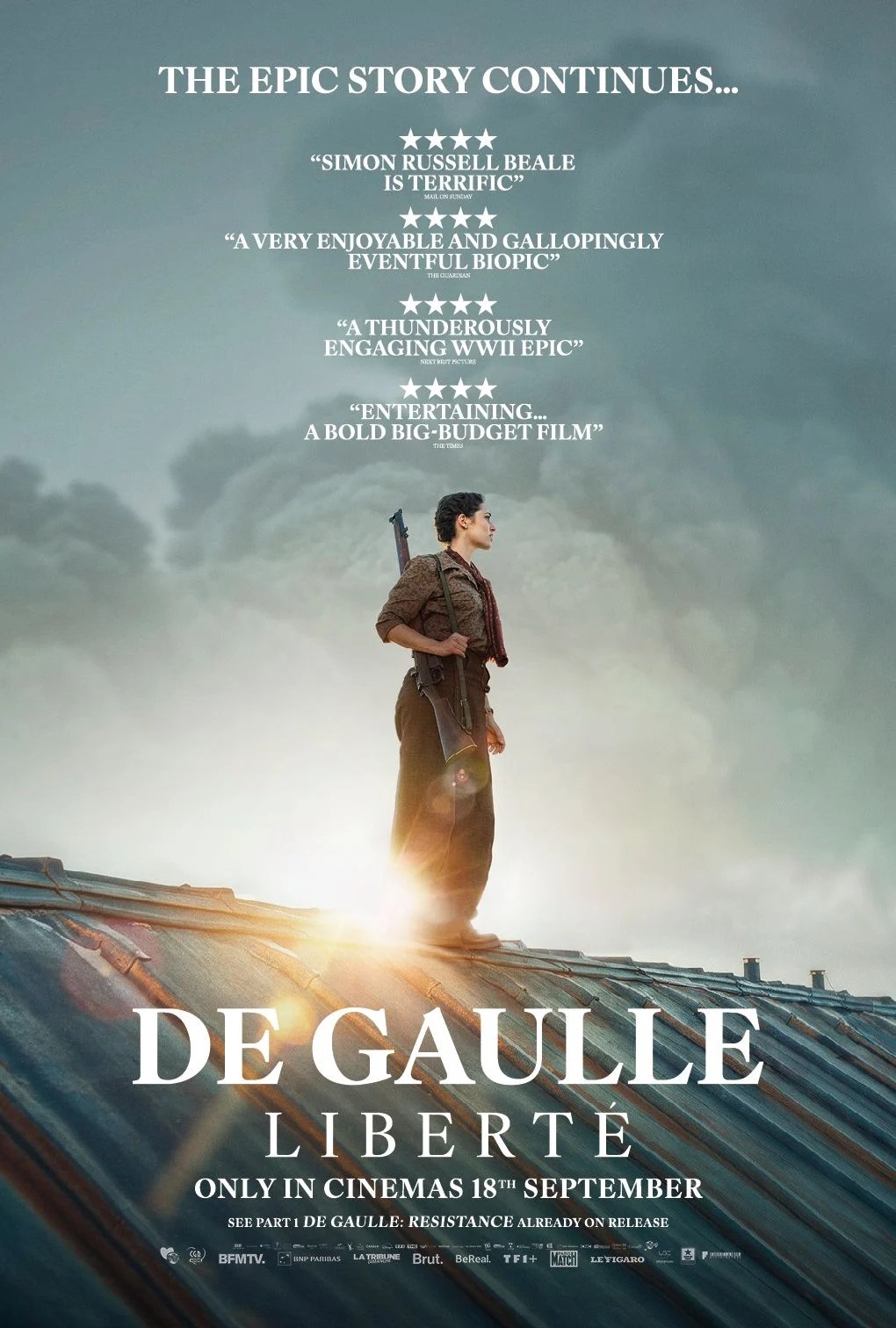
De Gaulle Liberté, the second part of the epic on the French war leader, opens with a display of French military prowess beating, erm, the Italians in a desert skirmish. Even at almost three hours long, it keeps up the quality of Resistance if you do not get swept along by the obvious propaganda and nationalist mythmaking. However, with a quote from Trotsky, a cameo from Spanish anarchists, a nod to the role of the Communist Party and the contribution of African soldiers there is a little more political nuance. And, it must be said that the section showing the Paris uprising is profoundly moving.
Any serious reckoning of the defeat of European fascism must acknowledge that most of the fighting, killing and dying which made it possible was done by the Red Army and the peoples of the Soviet Union. They lost an estimated 26 million. That said, around 185 000 Americans died in Europe, and if I were an American jingoist, I would be slightly cheesed off at how the role of the USA in the war is presented. Not least, because it correctly shows the Americans as grasping imperialists with a plan to carve up the world.
In this telling of the story De Gaulle had two main enemies. The first was another current of the French state in exile led by General Giraud who was willing to work with Vichy supporters who had jumped ship. The fact that many of these people did very well for themselves after the war is one of the scandals of French history. However, Giraud’s main problem in De Gaulle’s eyes is that he is willing to take orders from Roosevelt, with the implication that France would become an American satellite state after the war.
Certainly, the Americans had prepared a cadre of military administrators, printed banknotes for a new currency and devised a plan to partition France. De Gaulle was understandably outraged at seeing part of the territory renamed New Wallonia. The politics of how De Gaulle outmanoeuvred Giraud and Roosevelt are grippingly presented with much of the credit being given to Jean Moulin who worked clandestinely inside France to pull together a government in exile and coordinate the factions of the resistance. Moulin’s work gave De Gaulle the political legitimacy he needed. Irrespective of his politics, Moulin was a man of great personal courage, and he died while a prisoner of the Nazis.
Like Moulin, General Leclerc’s name is commemorated in every French town of any size. His army bested the Germans and, in the teeth of American opposition, attacked Paris to support the Communist led uprising. With the symphonic musical background and declamatory poetry, this section could have fallen into the trap of being overwrought and bombastic. I found it a lyrical portrayal of the young people of an occupied city rising up against fascism.
The Americans do not emerge well from this film. The racism of their officers is alluded to in a brief scene though their decision not to allow Black troops to take part in the victory parade is not mentioned. Roosevelt explains to De Gaulle that they intend to dominate the post-war world and essentially envision France as a province of a more or less benevolent American empire. Churchill sets out British policy as being to find a comfortable place in the American fundament and stay there. British politicians have yet to deviate from this.
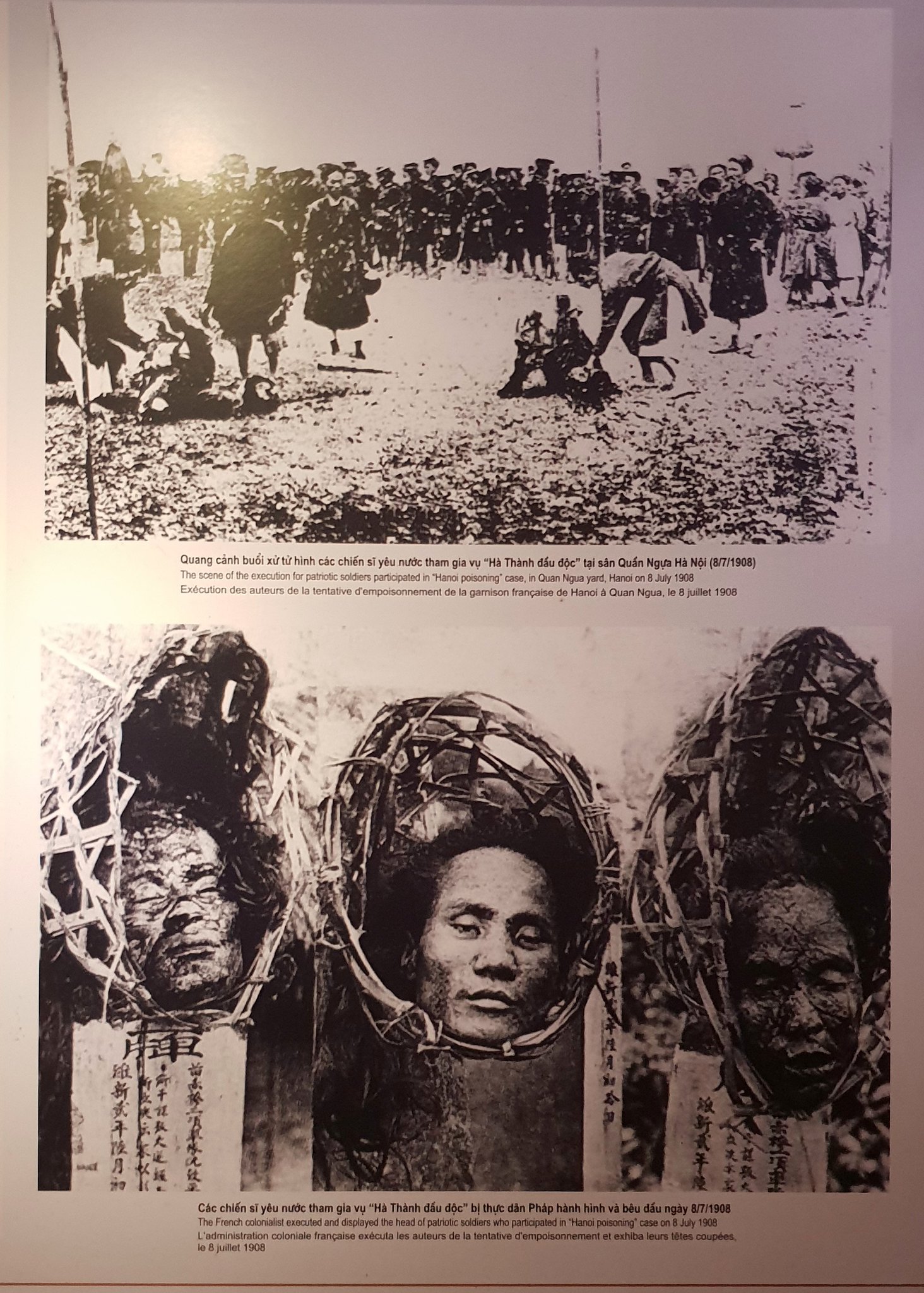
The biggest irritation in both films is the refusal to see a contradiction between De Gaulle’s fight to defeat the German occupiers and the French occupation of its colonies. Within a few years the French would be behaving exactly like the Gestapo in Vietnam and Algeria. Apart from when they are cheering Leclerc and De Gaulle no Algerian voices are heard.
The film closes with, what to a certain type of French viewer will be a rousingly patriotic ending, of an arial shot of a sunlit Paris looking gorgeous. It probably has enough in it to annoy some Le Pen supporters and throws a few crumbs to the lefties, but this is most definitely nationalist popular entertainment. For those of us who refuse to be any sort of patriot there is plenty to enjoy as a piece of cinema and more than enough to get you thinking about the politics.


Leave a comment